What Happens During a Soft Wash, Step by Step
You've booked a soft wash, or you're thinking about it, and you'd like to know what's actually going to happen to your roof. That's a sensible question to ask before anyone climbs up there. A lot of people picture a noisy pressure washer and a soaking wet garden, and a soft wash is nothing like that.
The method matters more than most homeowners realise, especially on Dundee's older slate roofs where the wrong approach causes real harm. So here's the whole thing laid out plainly, step by step, so you know what a good soft wash looks like from the first knock at the door to the treatment that keeps your roof clear long after the van has gone.
The quick answer: a soft wash starts with a survey, then a gentle low-pressure clean to shift the moss and dirt, and finishes with a biocide treatment that keeps killing off regrowth for months.
1. The survey and safe access come first
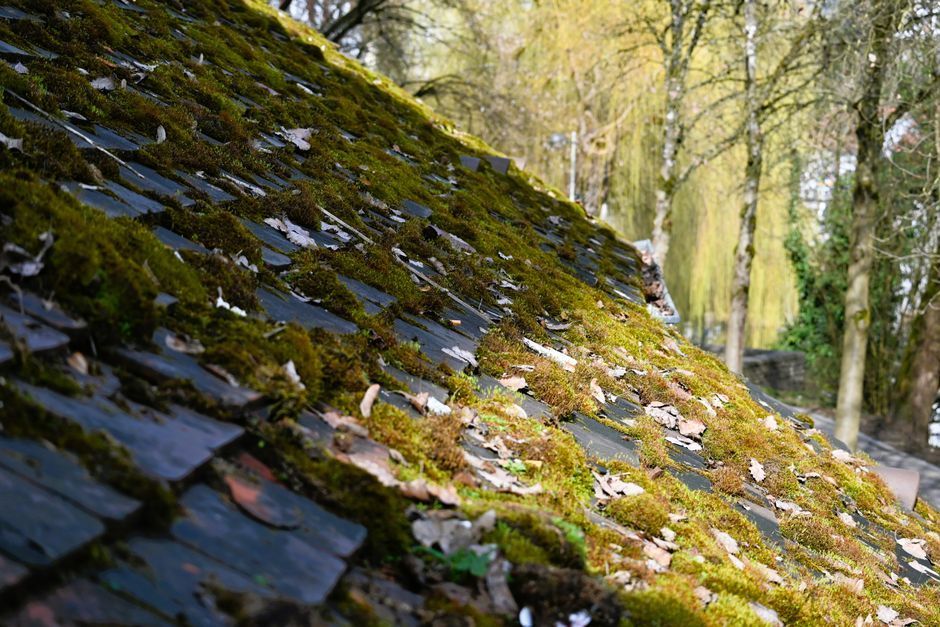
Before any water goes near the roof, the whole thing gets a proper look over. That means checking the pitch, the state of the slates, where the moss is thickest and whether any tiles have slipped or cracked. On a Dundee tenement or a shared terrace this also means working out safe access, since the pavements are often narrow and the drop is steep.
This first stage is where a good roof cleaner earns their keep. Spotting a loose ridge tile or a failing bit of flashing before the clean starts saves you a nasty surprise later. It also sets the plan, because a sheltered roof in Broughty Ferry and an exposed one up the Hilltown need slightly different handling.
2. Clearing the gutters and setting up
Once the survey is done, the gutters usually get cleared first. There's no sense washing a load of moss and grit off the roof only to send it straight into blocked downpipes, so the channels are emptied so the runoff has somewhere to go. This is the point where ground sheets go down and nearby plants get a rinse or a cover.
Setting up properly takes a bit of time, and that's a good sign rather than a slow one. In a place like Dundee, where a dry morning can turn to haar by noon, a tidy setup means the actual clean can move quickly once it starts. Rushing the prep is how gardens get wrecked and downpipes get clogged.
3. The low-pressure wash itself
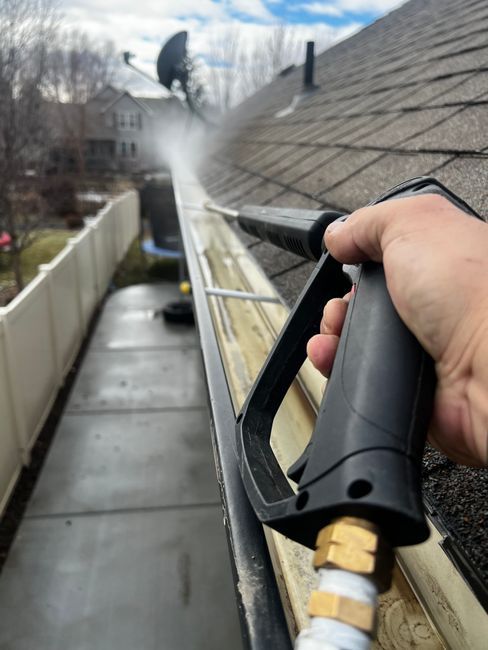
Now the roof gets cleaned, and this is the part that surprises people. Instead of a high-pressure jet hammering the slate, a soft wash uses water at a gentle pressure, closer to a firm garden hose than a power washer. It lifts the moss, algae and grime off the surface without stripping or cracking the tiles underneath.
On Dundee's century-old slate this gentleness is the whole point. Those tiles have shed rain since the jute mills were running, and they'll keep doing it for decades more if they're treated kindly. A low-pressure clean works with the roof rather than against it, so you get a clear surface without the hidden damage a blast leaves behind.
4. Dealing with the stubborn patches
Some areas always need more attention, and thick moss is the usual culprit. Where it's built up in the shaded north-facing sections, it may be gently scraped back by hand alongside the wash rather than blasted off. The aim is to lift the bulk of it without gouging the surface it's sitting on.
Dundee roofs grow moss unevenly because of how the light and damp fall on them. A chimney stack throws shade, a valley holds water, and a wall facing the Firth of Tay catches the salt-laden air. A careful soft wash treats these problem spots individually instead of hitting the whole roof with the same heavy hand.
5. Applying the biocide treatment
With the roof visibly clean, the treatment goes on, and this is what separates a soft wash from a simple rinse. A biocide is applied across the surface to kill off the spores and roots you can't see, the ones that would otherwise start the moss growing back within weeks.
The treatment isn't washed off. It's left to soak in and keep working over the following weeks and months, which is why a soft-washed roof stays clear so much longer than a scrubbed one. Given how quickly Dundee's damp climate brings the green back, this lingering protection is the most valuable part of the whole job.
6. The final check and tidy up
Before packing away, the roof gets one last look to make sure nothing's been missed and everything's sitting as it should. Any moss that's slid into the gutters during the wash is cleared out, the downpipes are checked, and the ground sheets come up. A good crew leaves your garden as they found it.
You should also get a quick word on what was found up there. If a slate looked tired or a bit of flashing needs an eye kept on it, that's worth knowing while the memory's fresh. Across Dundee's older housing stock these small heads-ups often save a much bigger bill down the line.
- Survey: the roof and access are assessed first, and any loose or damaged tiles are flagged before work begins.
- Gutters: channels are cleared early so the runoff from the wash doesn't block your downpipes.
- Low pressure: water is applied gently to protect old Dundee slate rather than strip it.
- Biocide: a treatment is left on to keep killing regrowth for months after the visible clean.
- Tidy finish: gutters are re-checked, sheets lifted and the garden left as it was found.
Frequently Asked Questions
How long does a soft wash take?
Most domestic roofs are done in a morning or a day, depending on size and moss. A large tenement roof or a badly overgrown one naturally takes longer than a compact terrace.
Will the biocide harm my plants?
The runoff is managed and beds are covered or rinsed as a precaution. A careful crew plans for this during setup, which is one reason the prep stage takes a bit of time.
Why not just pressure wash and skip the treatment?
Because pressure damages slate and the moss returns fast without a biocide. The gentle wash plus treatment is what protects the roof and keeps it clear for the long run.
Do I need to be home during the clean?
Not usually, as long as access is sorted and the crew can reach water. Many people pop out and come back to a finished roof, though it's handy to be around for the survey findings.
When is the best time of year for it in Dundee?
A soft wash can be done in most conditions, but a drier, calmer spell makes the job smoother. Given the local weather, the crew works around the forecast rather than fixed seasons.
Want your roof soft washed the right way?
Ben's Roof Cleaning handles roof cleaning, moss removal and gutter cleaning across Dundee and Scotland, with over 15 years of experience. Get in touch or call 01382 236629
for a free, no-obligation quote.
A gentle method that treats your roof with respect
Now you know what's really going on when someone soft washes a roof, and it's a far cry from the noisy blast most people imagine. From the first survey through the gentle wash to the biocide that keeps working for months, every step is built around cleaning your roof without harming it. On Dundee's hard-worn slate, that careful approach is exactly what a good roof deserves.